







European AI that regenerates buildings to create
mini AI data centers, eco-sustainable.
Big Tech performance on hardware the size of a napkin, on sovereign European infrastructure.
At over 170 times less than the competition.
We bring together technological innovation, environmental sustainability, and social cohesion.
Three principles, one machine: the same efficiency that cuts costs also cuts waste and gives value back to communities.
Innovation
A proprietary AI model, world-leading in efficiency, running on tiny hardware.
Sustainability
Air cooling, renewable power, existing buildings: zero extra environmental impact.
Social cohesion
Urban regeneration and social housing within the very same refurbished buildings.
Our AI already exists.
An AI with Big Tech performance, running on hardware the size of a napkin and drawing power like an old lightbulb.
Ele isn’t a promise of future research: it’s already running, today. Thanks to a proprietary quantization and efficiency process and our industrial secrets, it keeps 99% of its original pre-compression performance, with no perceptible degradation. This efficiency is why a Mini AIDC costs 500K instead of 85 million, and why the entire infrastructure project is possible.
- Performance retained
- 99%
- Power · Mini AIDC
- 15 kW
- Efficiency · PT/B
- 0,490
- Efficiency ranking
- 1st
Not a bought-in model: two engines, invented by us line by line.
One serves it, the other trains it. Neither is bought off the shelf: we wrote them bespoke for Ele 5.
OmniFast
It runs Big Tech performance on a module the size of a napkin. Depth where it matters, speed where it doesn’t the rest is one of our secrets.
OmniFast Train
It slashed the cost of training and sent quality soaring, inside tiny, low-power hardware. The how stays within our walls.
World-leading in efficiency. And not by a little.
Size for size, Ele 5 produces more value than any other model. That margin becomes a lower cost per user and higher margins, measured on the public benchmarks used across the industry.
- 10,490Ele 5first in the world
- 20,317Qwen3.8-Flash-Next
- 30,240MiniMax M2.7
- 40,239Qwen3 235B 2507 (Reasoning)
- 50,223dots3-note Preview
Efficiency = value per parameter (PT/B). Comparison models from benchlm.ai public scores, Ele 5 computed with the same method, 1st among MoE models with available data.
And it stays reliable on everything else: coding, advanced math, understanding across 29 languages, executing complex instructions, and autonomous tool use.
Today’s AI data centers aren’t sustainable.
A standard AI data center has a huge environmental, economic, and social impact, and these aren’t abstract risks: they’re already documented problems, side by side. The more AI demand grows, the more they multiply.
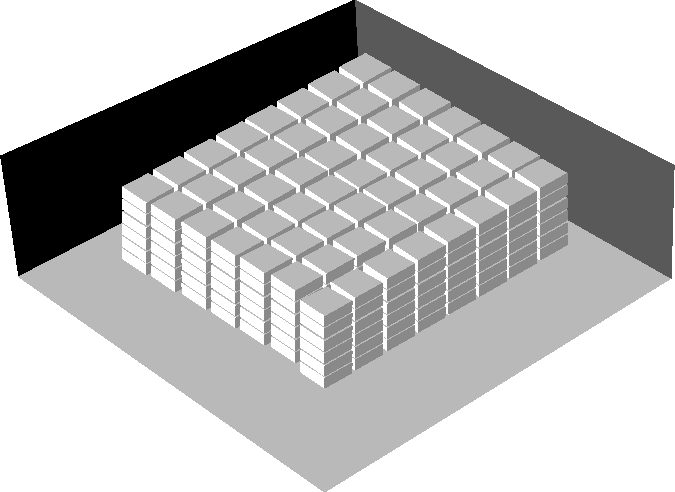
- Electrical power
- 1,4 GW
- Water use
- 2 Mln L/h
- Footprint
- 70.000 m²
- Build time
- 72 mesi
- Build cost
- € 50 Mld
Energy
Around 1.4 GW drawn, as much as a city: the local grid under stress and residents’ bills rising.
Water
Millions of liters an hour for cooling, often in areas where water is already scarce.
Land and landscape
Warehouses of tens of thousands of square meters: land consumed and landscape disrupted.
Time and capital
Years of construction and billions in capex locked into a single, enormous site.
Relentless noise
A background hum that never stops, not even at night; infrasound escapes sound meters but is still “felt.”
Diesel generators
Tens of thousands of liters of diesel per machine, with spills already documented in recent years.
Polluted air
Particulates and nitrogen oxides from the generators: tons of pollutants in the surrounding air.
Residents’ health
People living nearby report disturbed sleep, headaches, and stress; hundreds exposed.
Reference profile for the scale figures: new-generation industrial-scale AI data centers (e.g. Paris AI Campus, Fouju, Seine-et-Marne, France). The harms listed are phenomena observed and reported in data-center news over recent years.
The very same work. In a module the size of a napkin.
All those problems, brought to zero. The Elestre Mini AIDC does the job of an industrial AI data center, with no water, no diesel, no noise, no new concrete.
For 15,000 users: a standard AI data center versus an Elestre Mini AIDC.
The same work, for the same 15,000 users, in two square meters instead of a hundred and fifty.
Real area scale, 150 m² against 2 m². The m² indicate the hardware footprint; the values are project estimates.
This is the product we’ll build: not an AI model to invent, but a physical infrastructure to replicate, node after node, across Europe.
Transparency note: Elestre describes an infrastructure project in development. The cost, consumption, space, and time values are project estimates, for a comparison over 15,000 users, and are not a guarantee of results. The m² indicate the hardware footprint. The standard AIDC profile refers to new-generation industrial-scale AI data centers (e.g. Paris AI Campus, Fouju, Seine-et-Marne, France). The estimates come from our compact, math-based tests, not from assumptions.
Choosing Ele pays off. For the planet too.
Unlimited tokens on our dedicated hardware, instead of paying per use for a same-class cloud AI. Here’s how much you save in money and resources per 15,000 users a year.
Transparency note: these are estimates, declared as such, with a transparent calculation chain. Basis: a typical active user processes ~2 million tokens a month; the factors (energy per token, grid CO₂ intensity, cooling water, a same-class competitor’s per-use price) are the same as the in-app “Context and usage” card. The trees are the CO₂ avoided divided by how much a tree absorbs in a year (~21 kg): it’s the equivalent, not trees planted.
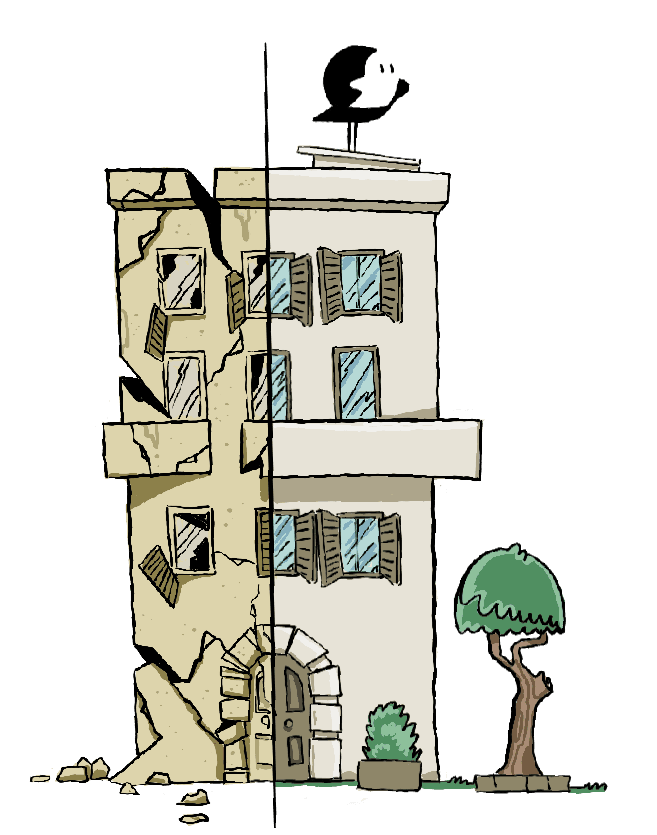
Small enough to fit in any building.
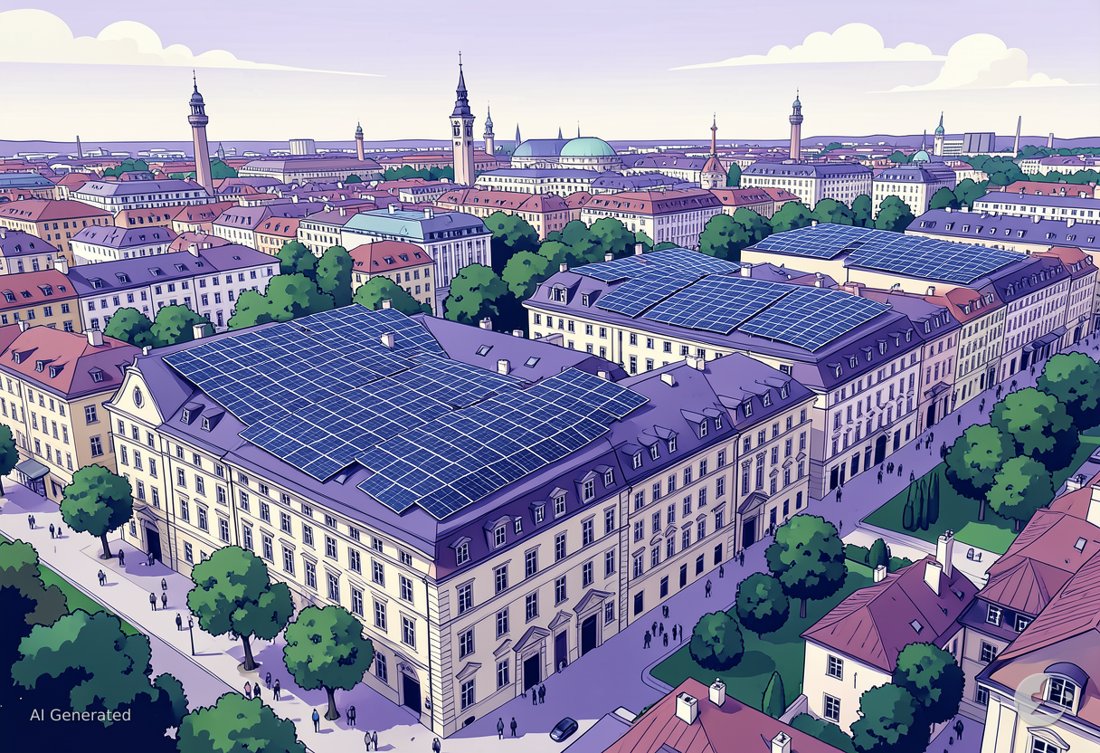
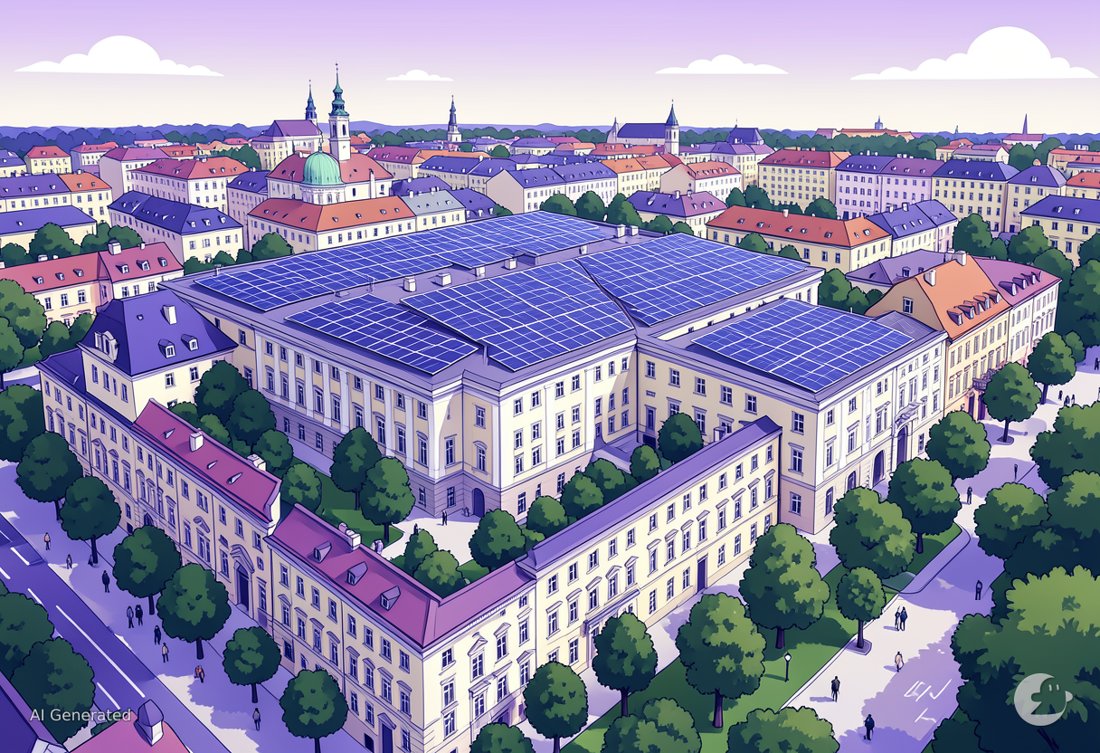
Not a new eyesore, but an existing building. Every Mini AIDC rises inside a regenerated property: no new construction, no land consumed, powered mainly by renewable sources.
Where the reclaimed space exceeds the technical need, the same building houses homes and social housing at sustainable rents. AI infrastructure and local regeneration come from the same property operation, creating a new system of community.
Regeneration
Abandoned buildings come back to life, with no land consumed.
Renewables
Mainly green power, air cooling.
Social housing
The spare space becomes homes at sustainable rents.
Repopulation
Urban regeneration of otherwise abandoned areas.
What European AI really means.
Data that stays in Europe. Native compliance. No dependence on the US or China.

Being “European AI” isn’t a slogan: it’s owning, physically, the infrastructure that AI runs on.
Data in the EU
Physical and legal residence of the data on European soil.
Native compliance
EU requirements met by design, not bolted on.
Own infrastructure
We own the hardware: real sovereignty, not delegated.
ChatGPT, Claude, Gemini, DeepSeek, and Qwen are born outside the EU. Mistral is the most direct European competitor and builds its own data centers in Europe, but on the centralized mega-center model. Elestre’s difference isn’t the flag: it’s distributed, owned infrastructure low-impact Mini AIDCs, profitable from the first node.
An infrastructure Europe doesn’t have yet.
The European AI market is growing, without a sovereign alternative. 33 million SMEs, 100K local authorities, 150K public bodies, and over 450 million citizens are looking today for exactly what Elestre will build.
From the first node to the European network.
It starts today, from a single Mini AIDC, and replicates, year after year, into a network covering Europe.
Growth trajectory from the Elestre Financial Plan: projections, not guarantees of results.
One brain, for every format.
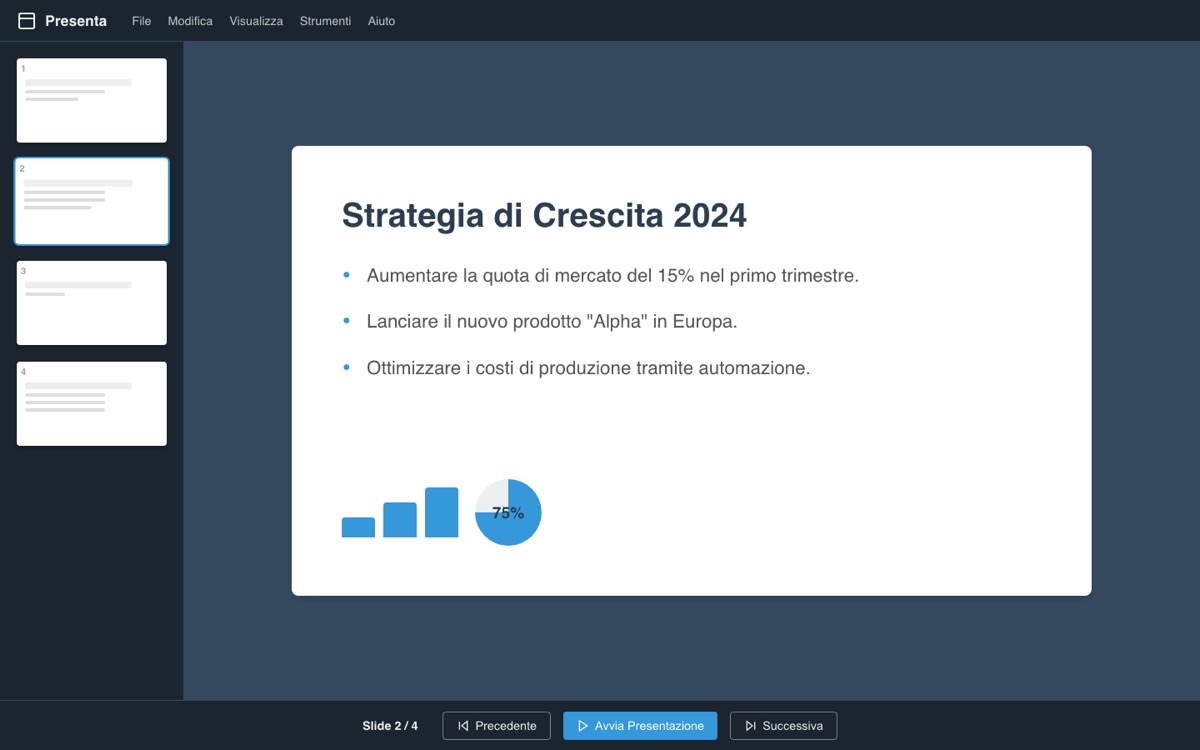
Images, video, music, websites, games, presentations, voice. Ele 5 creates in every field, and the best way to believe it is to come in and generate freely.
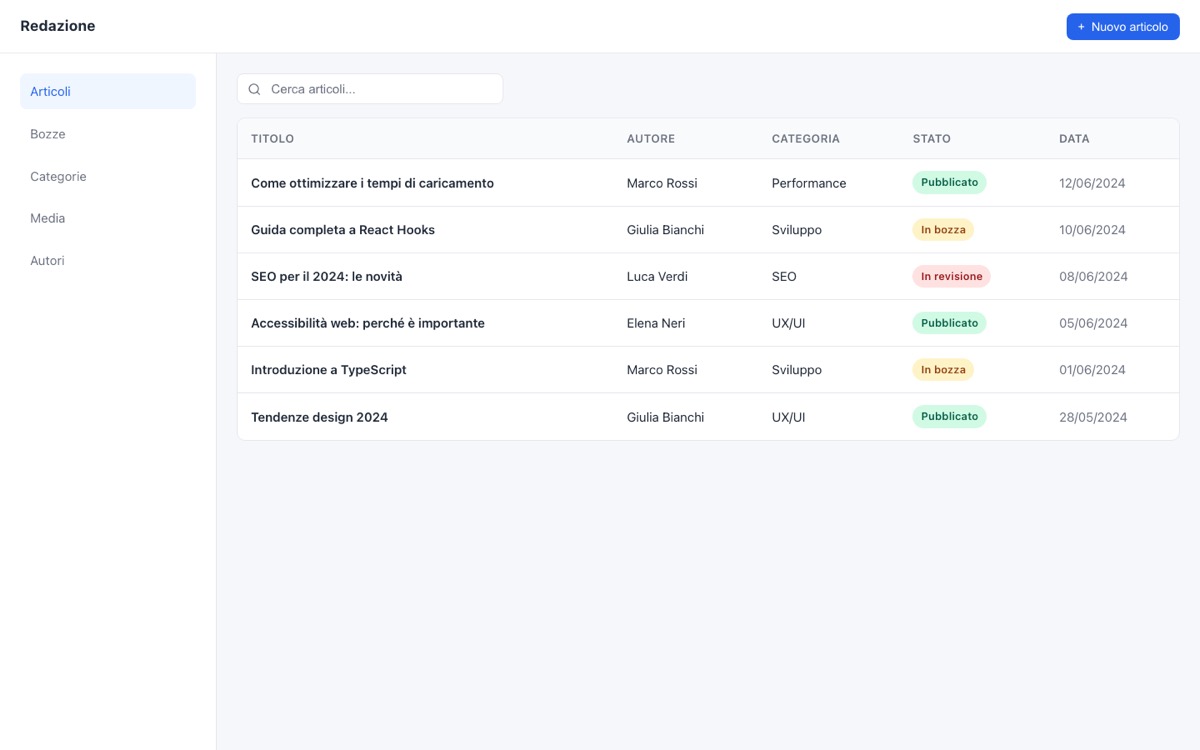
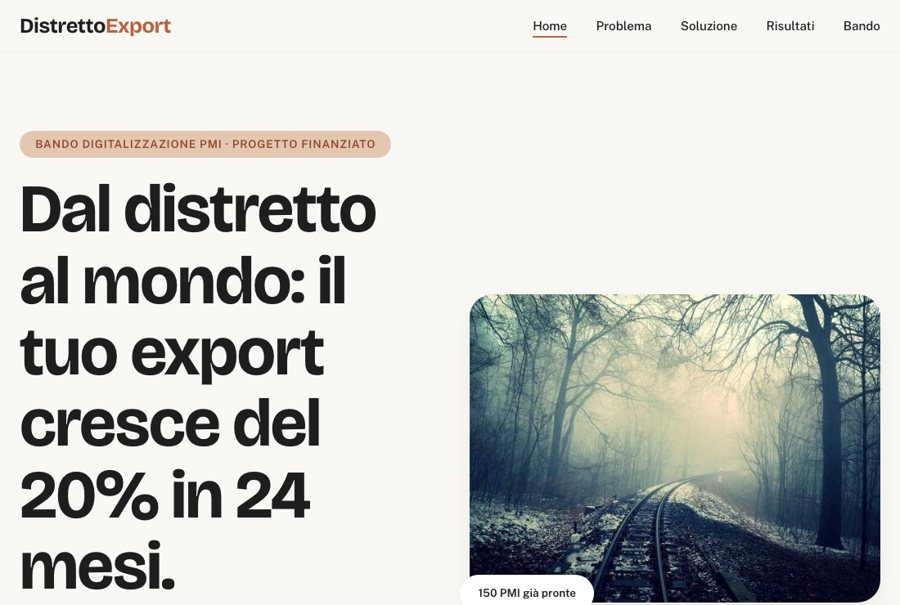
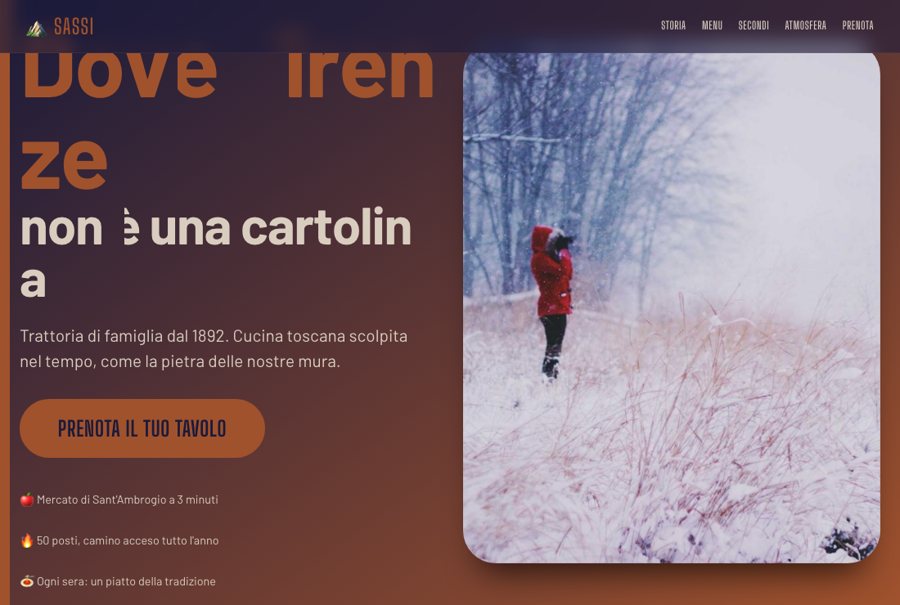
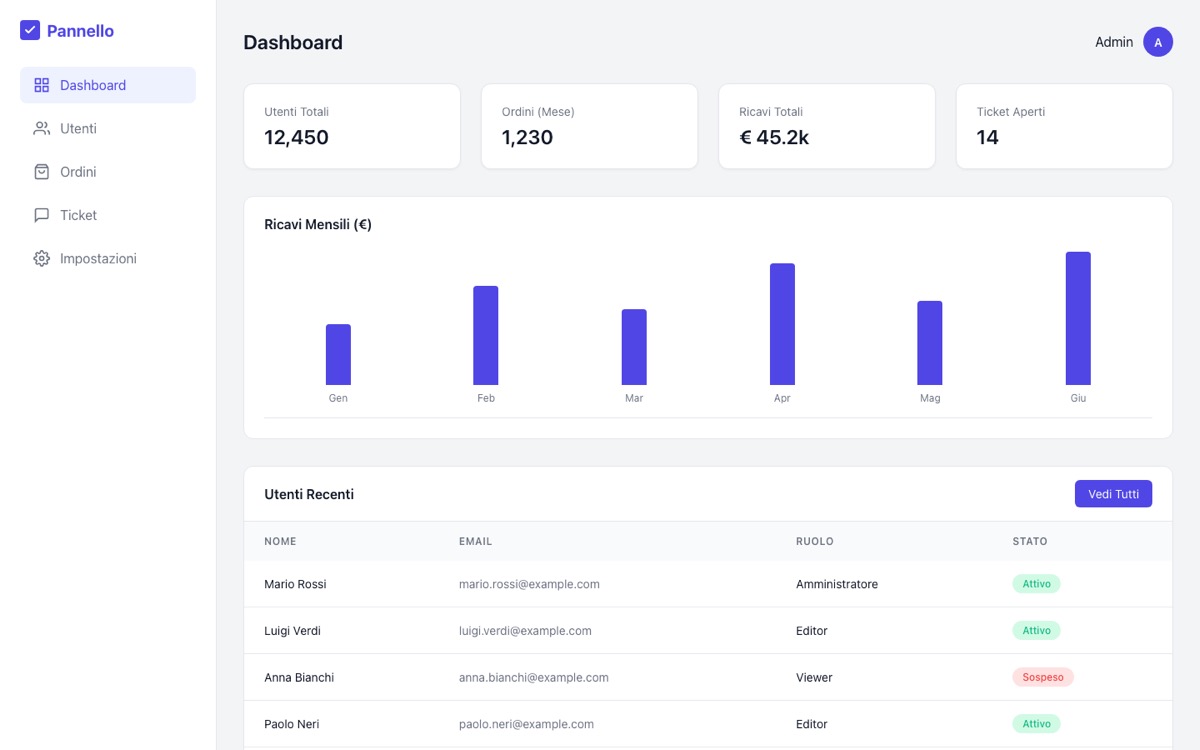
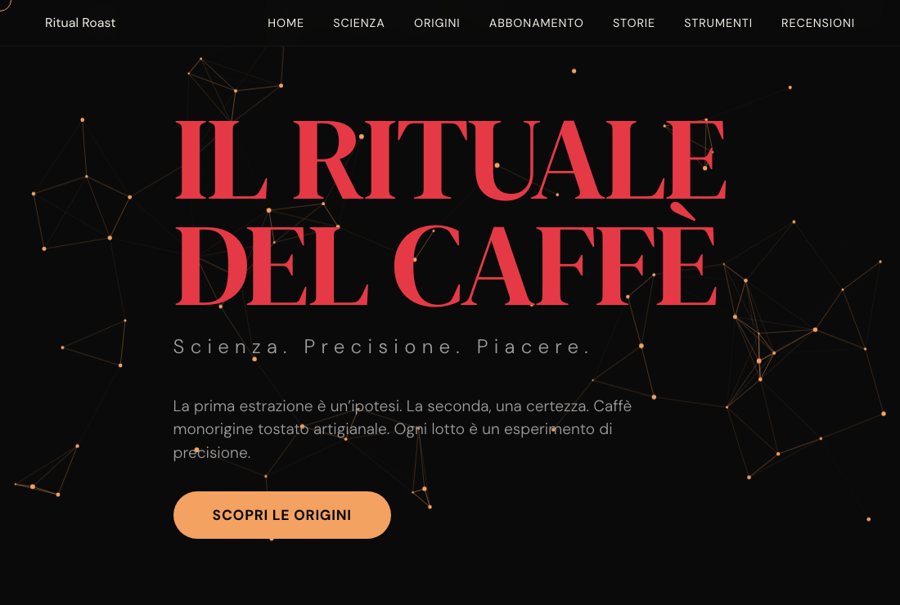
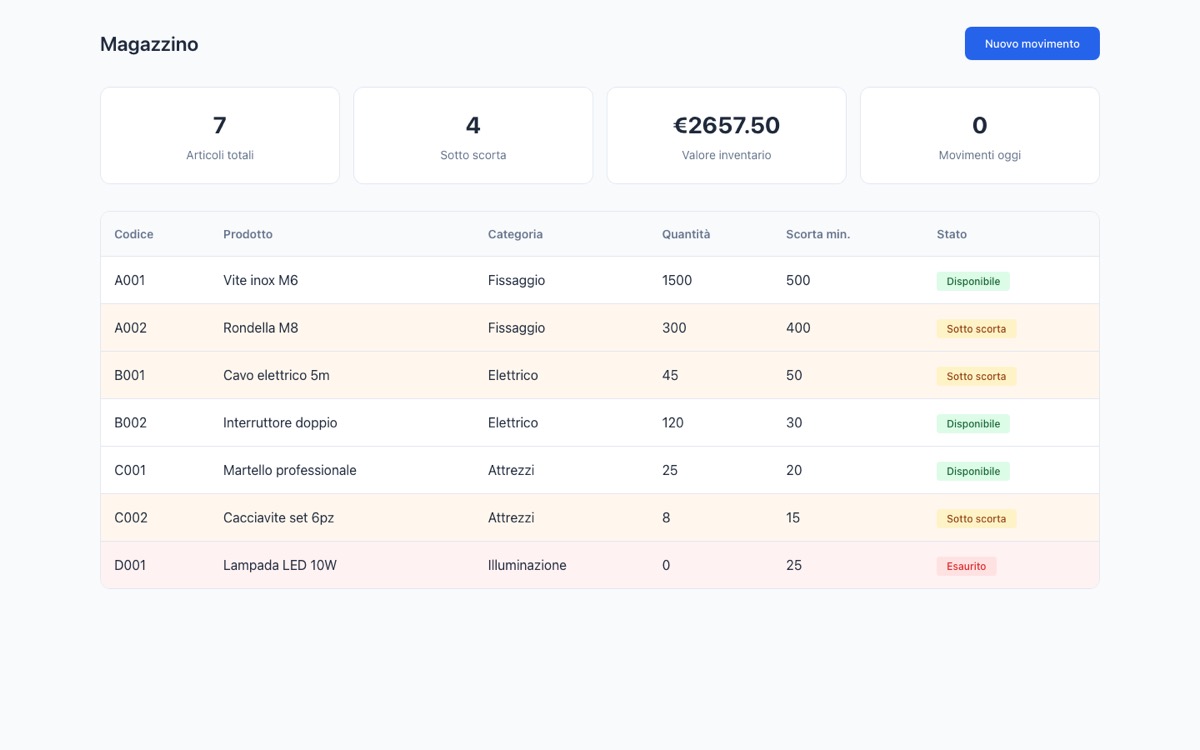 Gestionale Magazzino · scorte
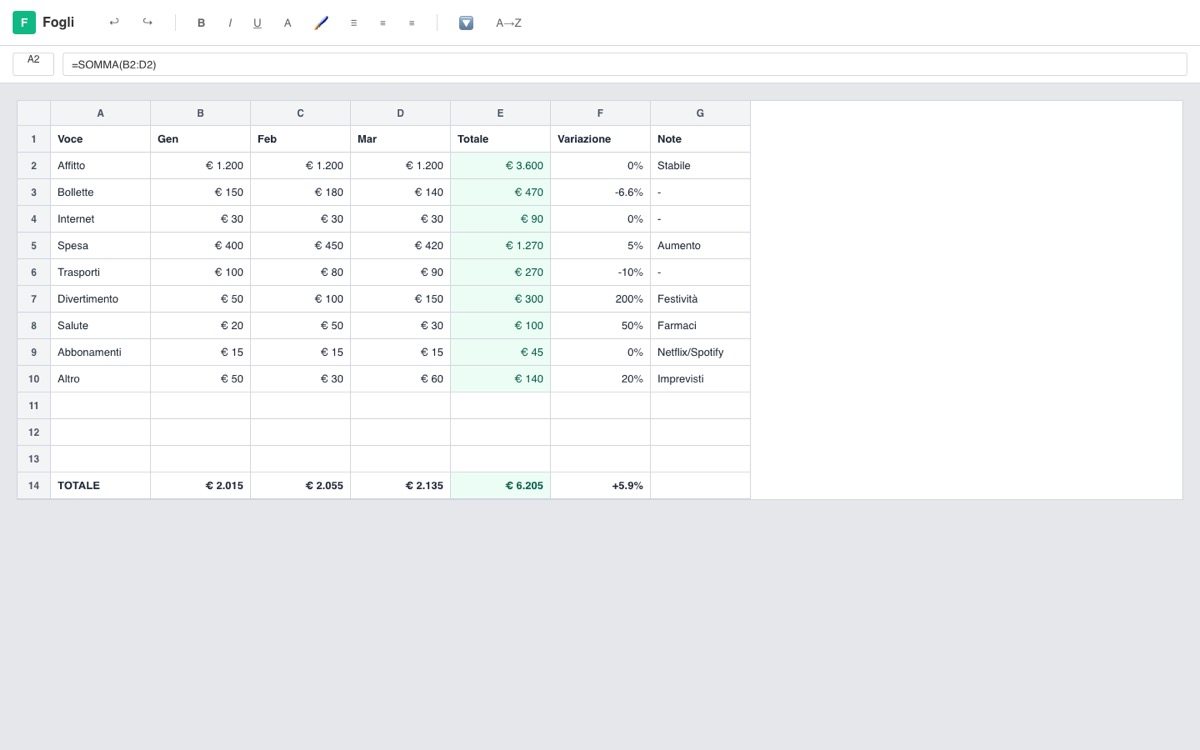 Foglio di calcolo · budget
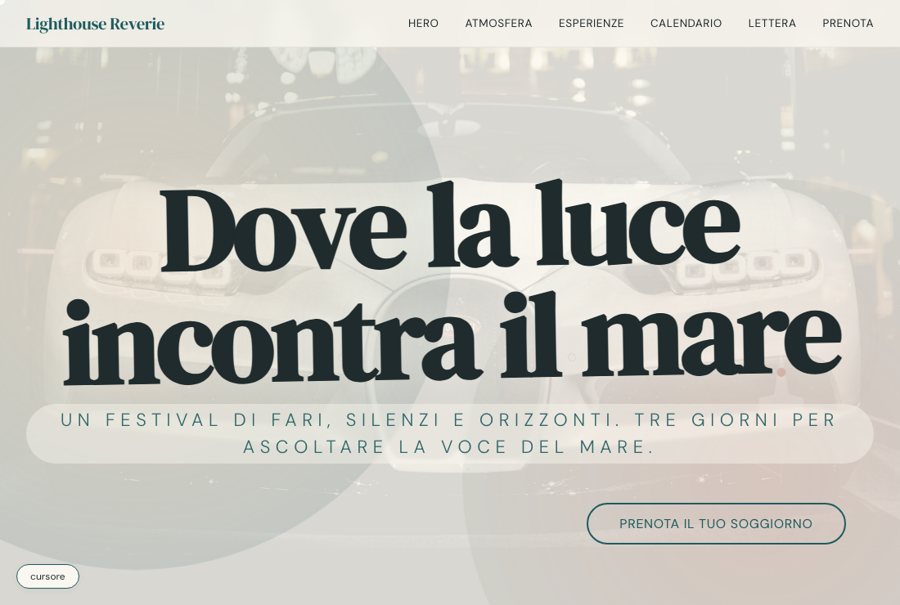 Lighthouse Reverie · festival dei fari
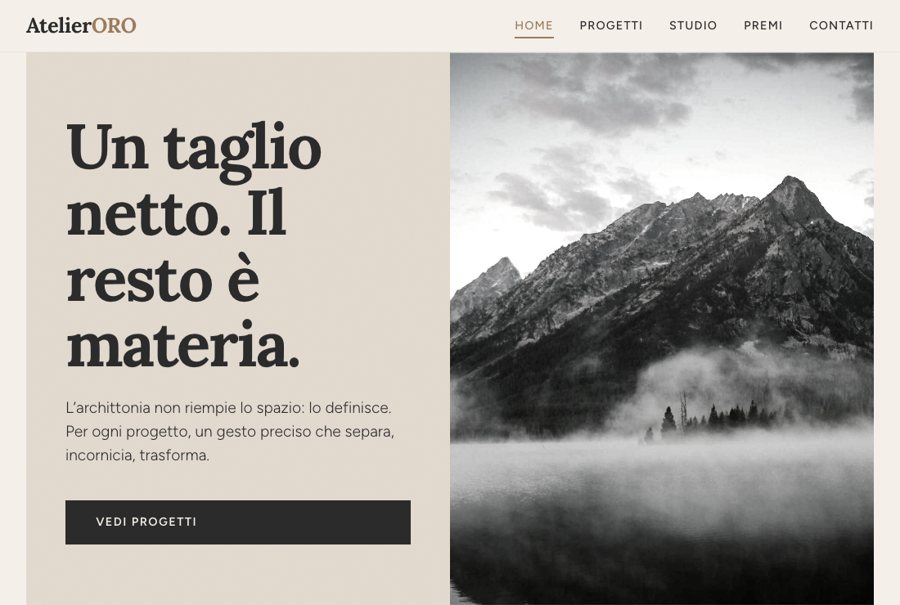 Atelier ORO · ArchitetturaGatto · bianco e nero
 Décalage · comunicazione
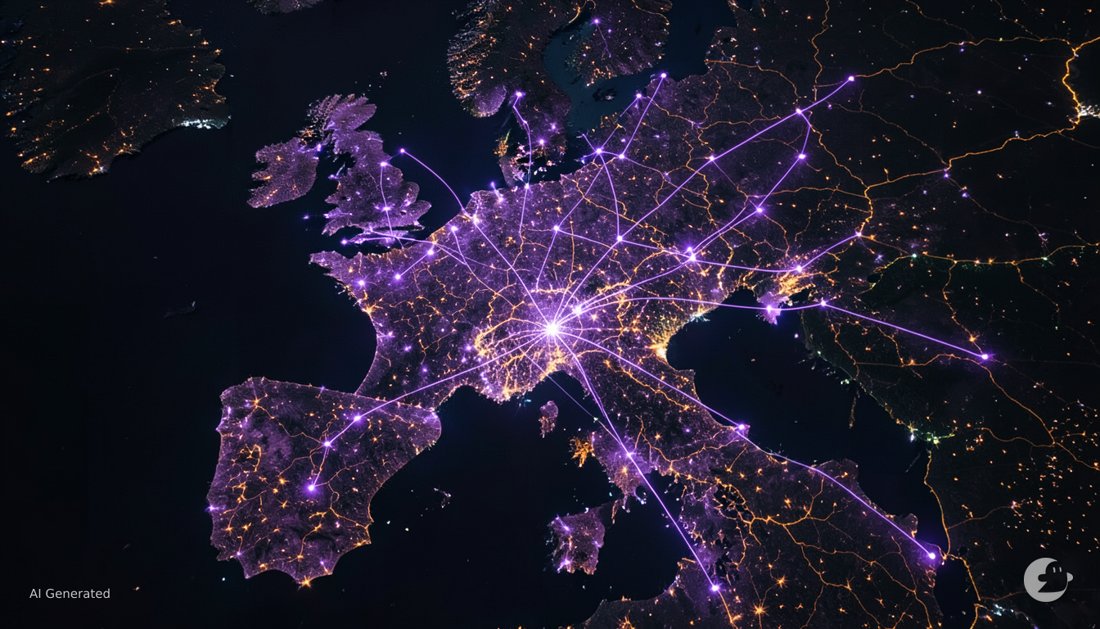
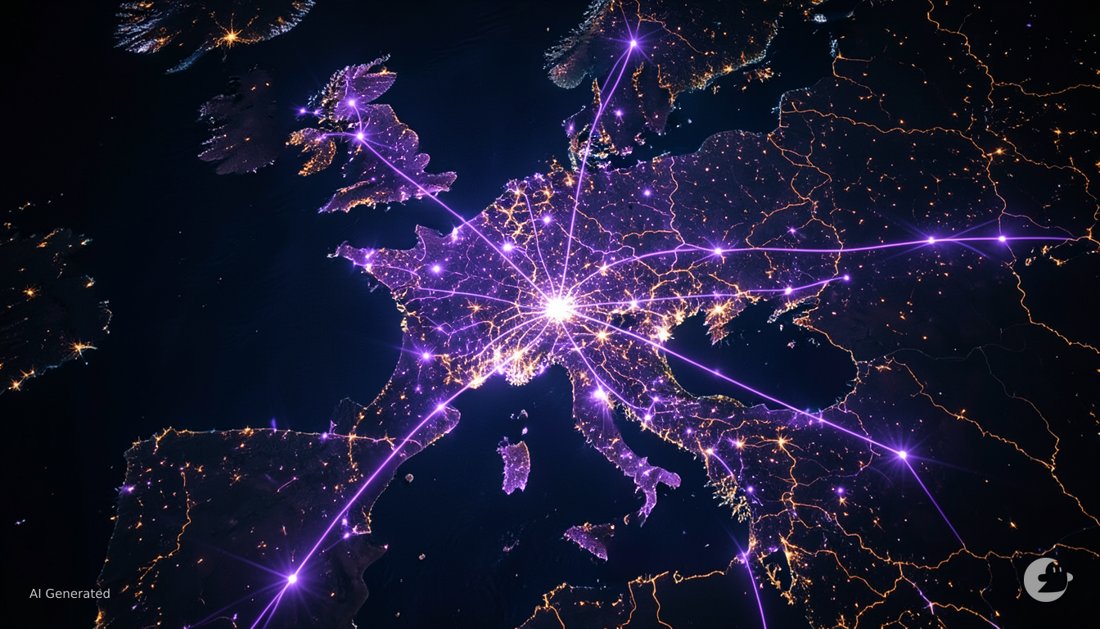 Rete europea · notte
 Birrificio Dè Dal · Asso di Coppe
 Eterno Istante · fotografia
 Clemente & Associati · studio legale
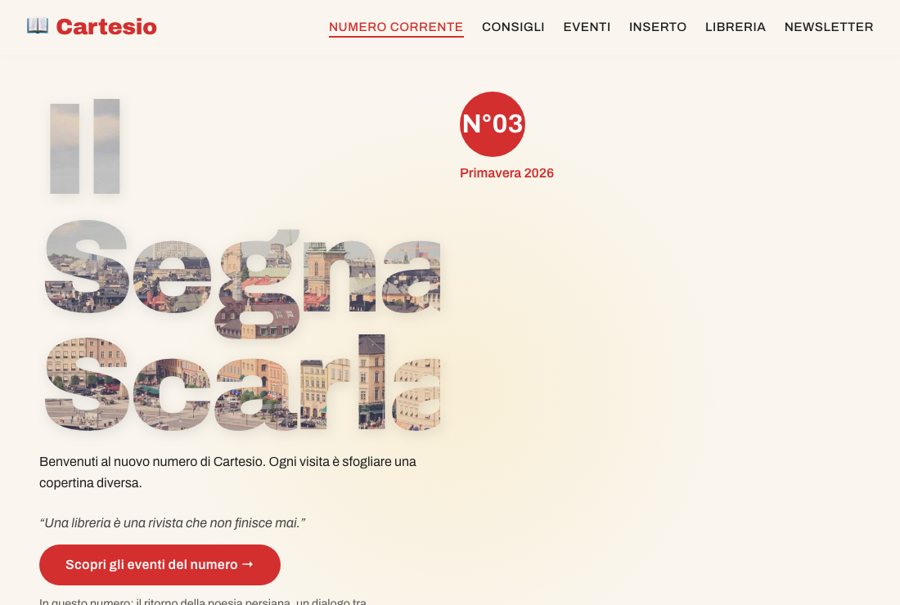 Cartesio · rivista
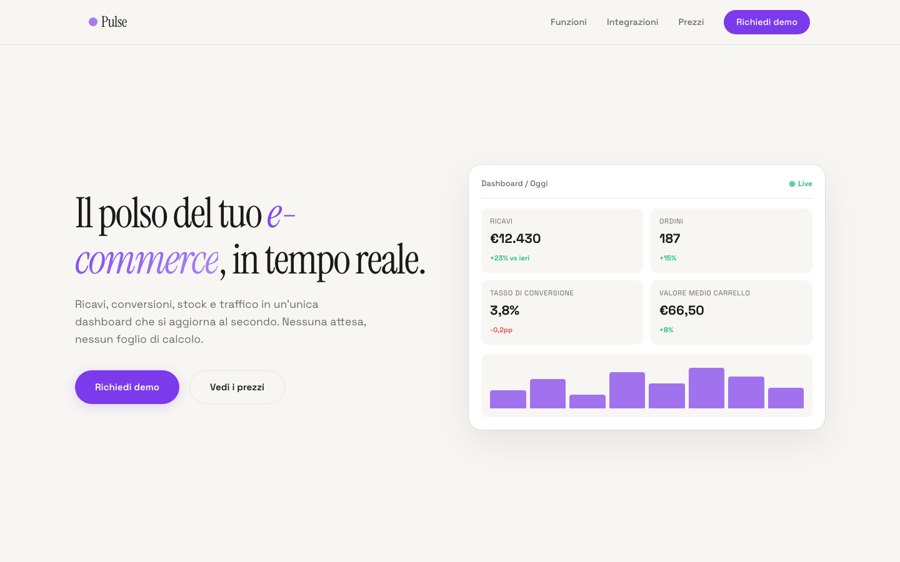 Pulse · analytics e-commerce
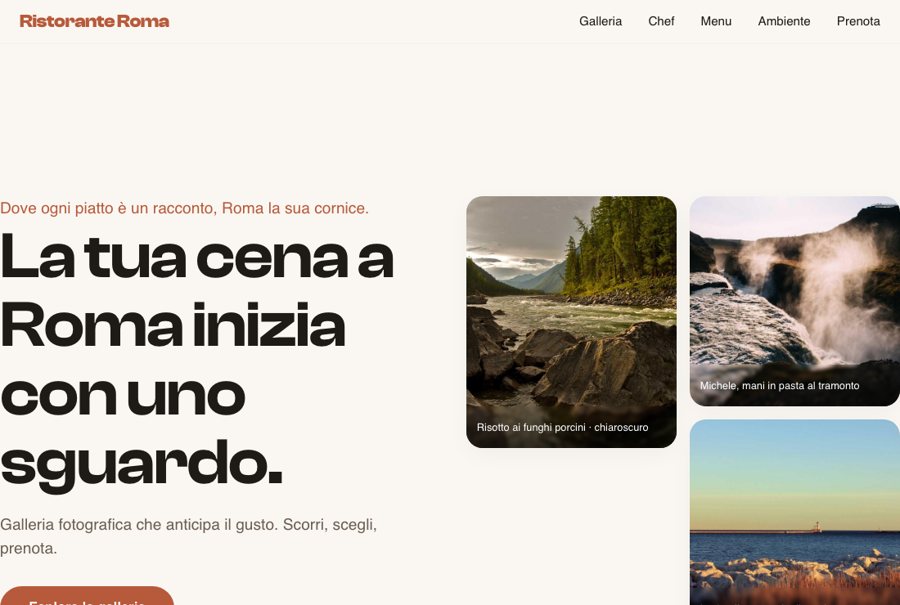 Ristorante · Roma · galleria del gusto
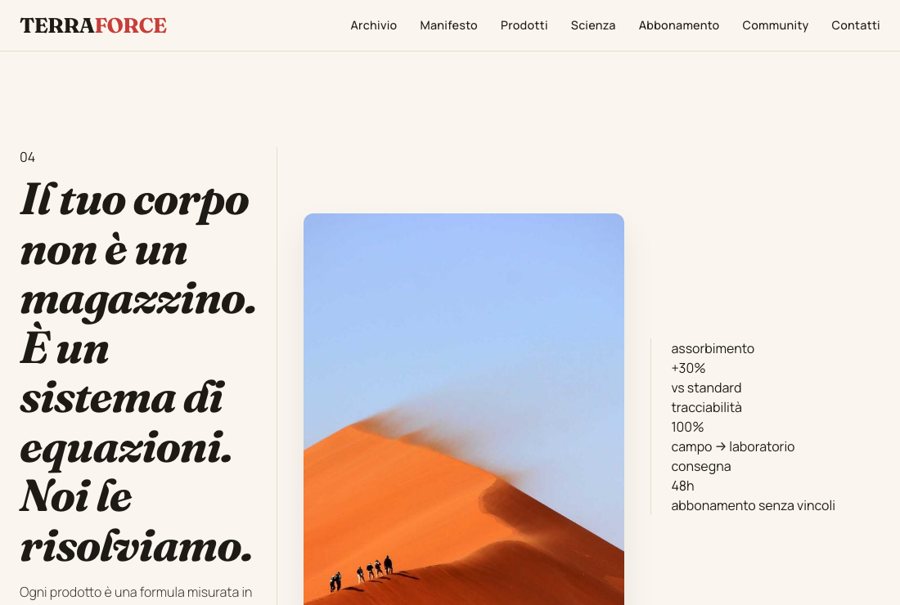 Terraforce · performance
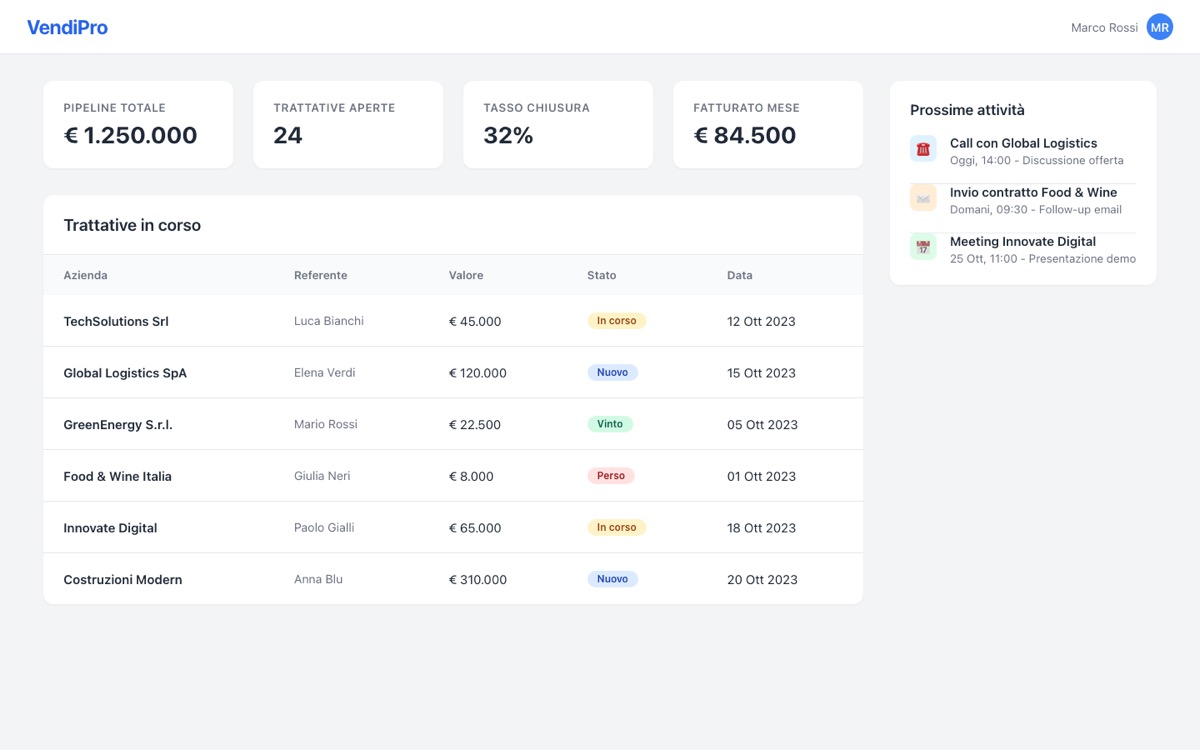 CRM vendite · VendiPro
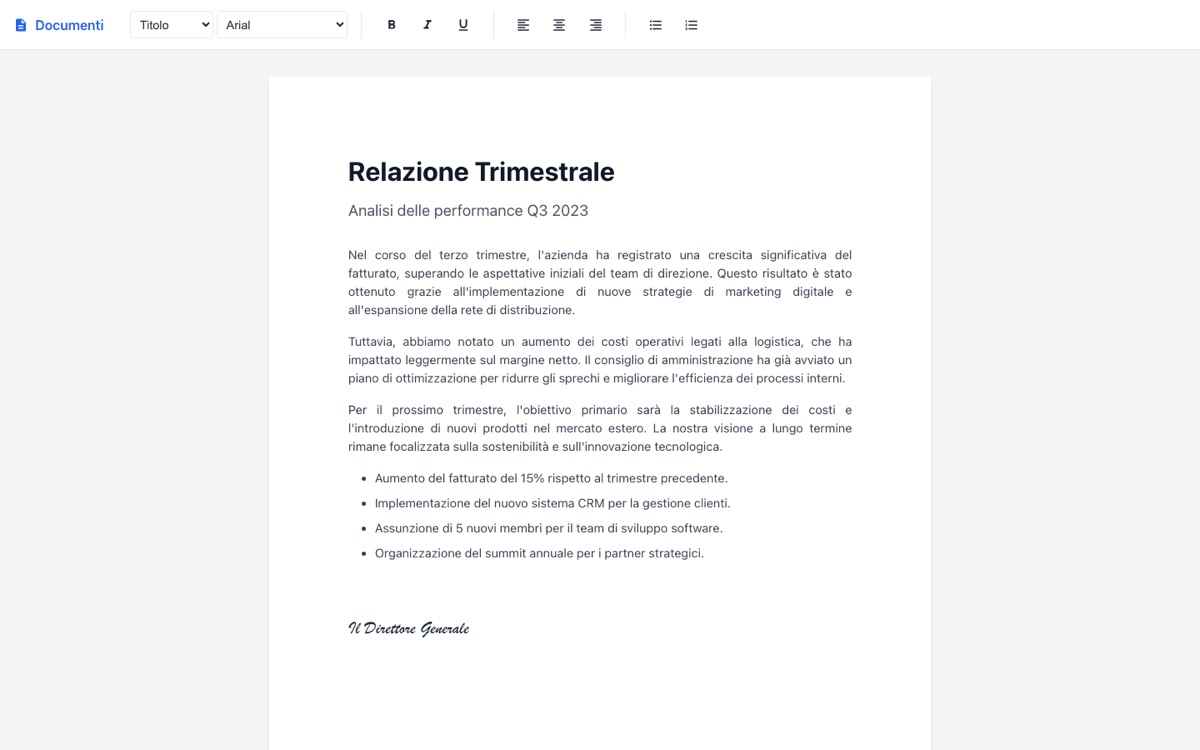 Documento · relazione
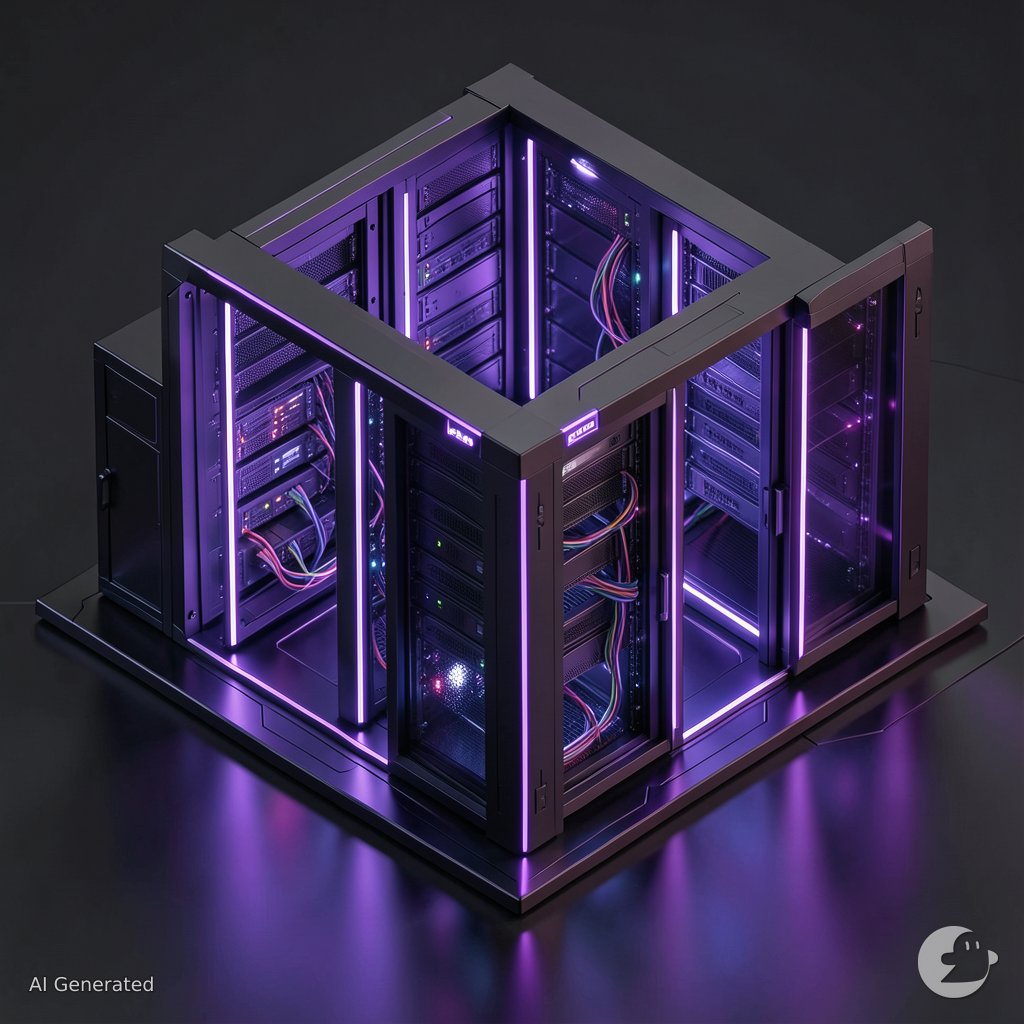 Mini data center · render
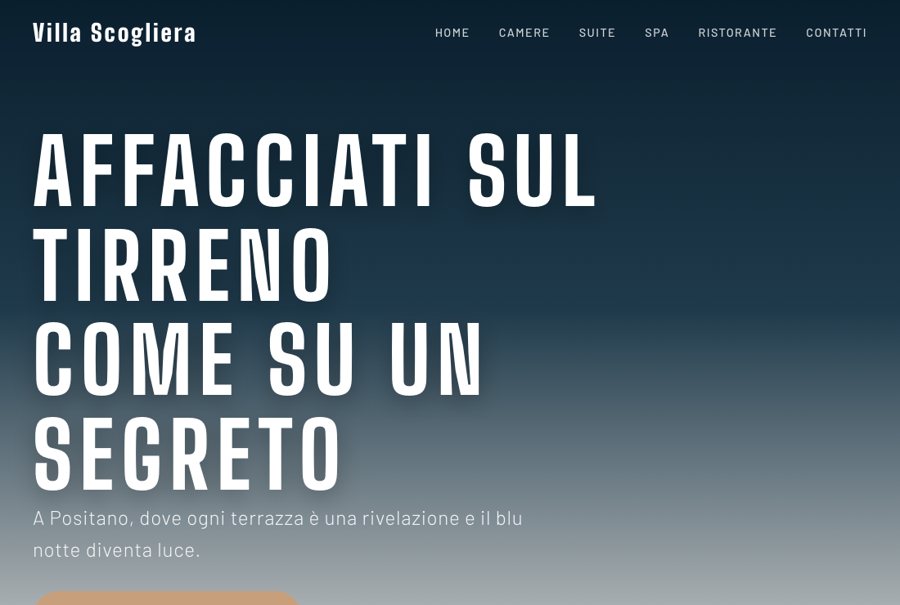 Villa Scogliera · Positano
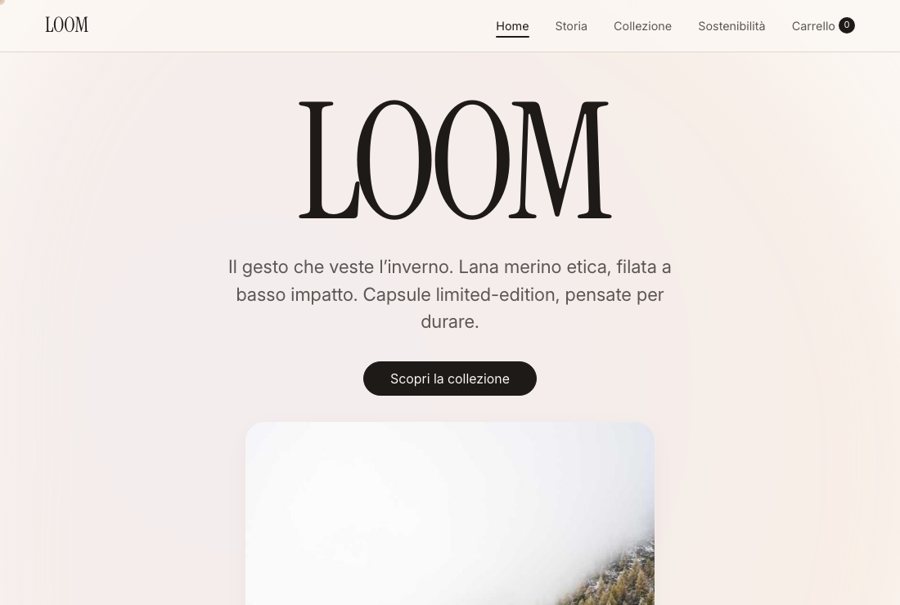 LOOM · lana merino
 Mini AIDC · il dispositivo
 Memory 4x4 · premiumGatto · interni
 Cinder & Verre · profumi
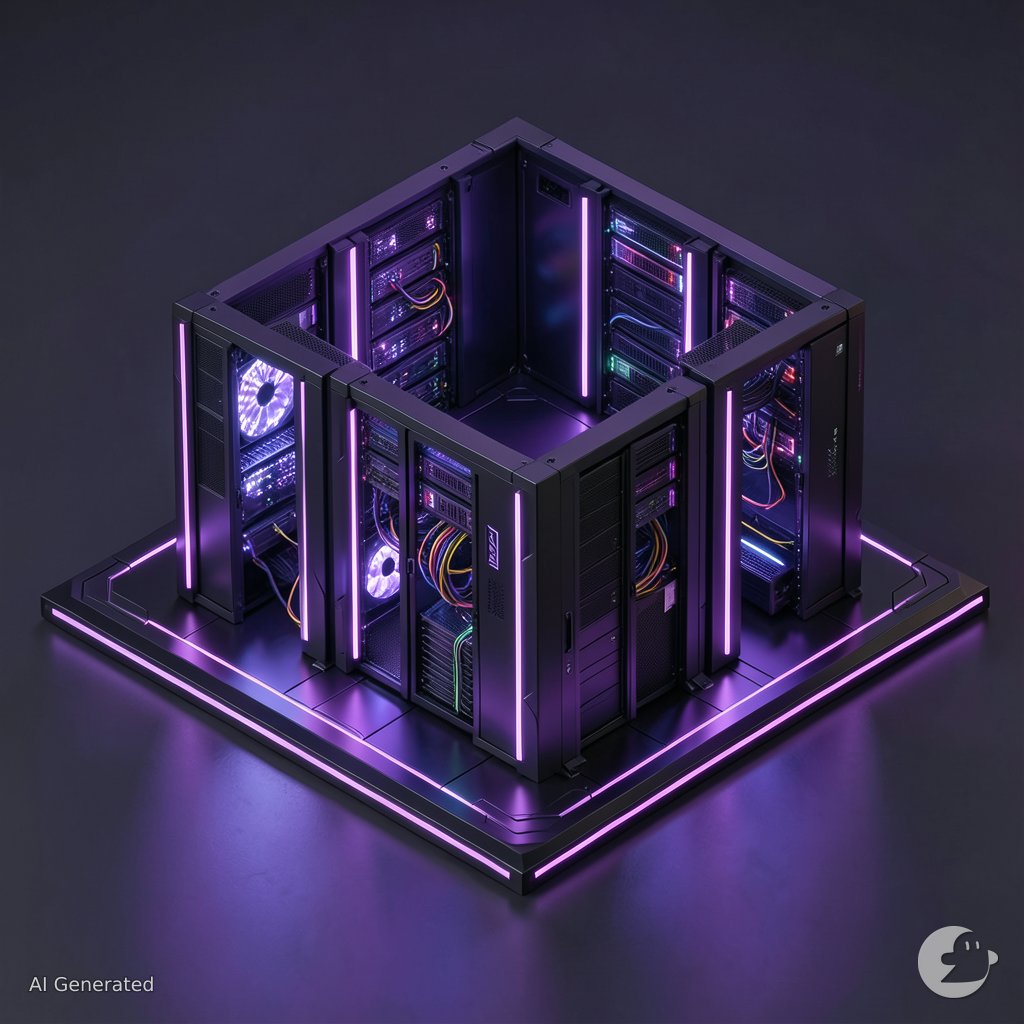 Mini data center · render
 Søndra Copy · atelier di parole
 Simulatore provvigioni · forza vendita
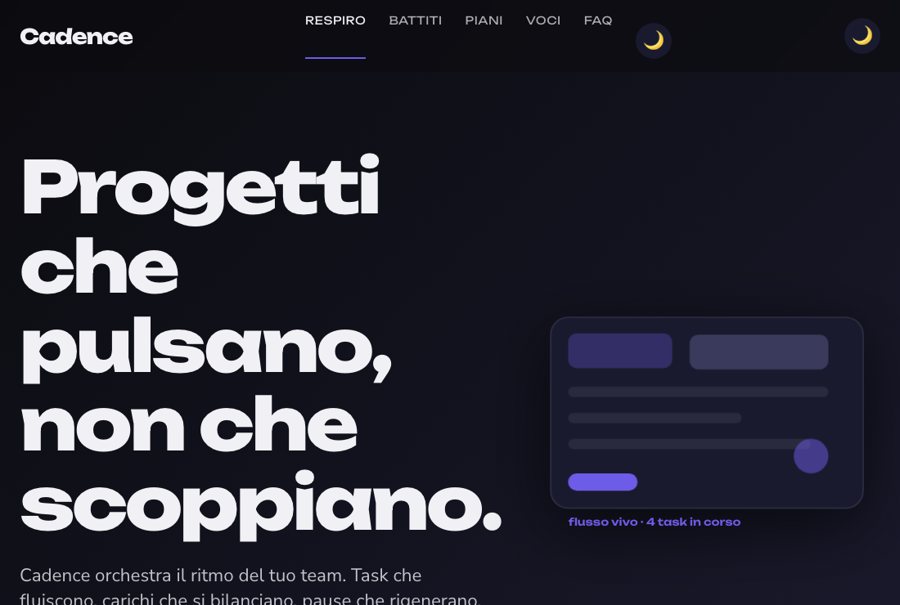 Cadence · gestione progetti
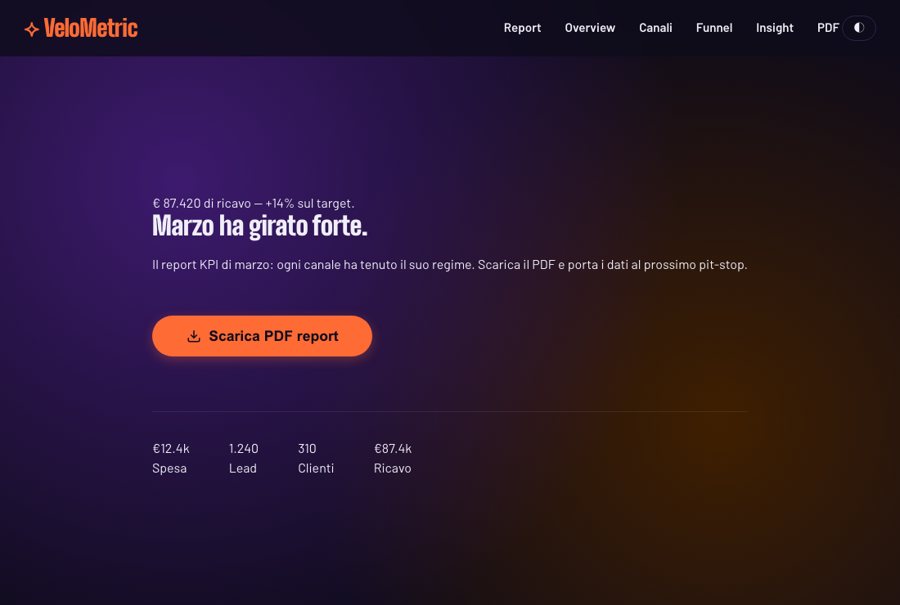 VeloMetric · report KPI
Join the Elestre early access now.
Try the Ele model from the first node of the network: chat, documents, images, music, and video, on European infrastructure. Early-access spots are limited.
Elestre is a project by Asincrona S.r.l.
Entra in Elestre, basta un tap
Accesso anticipato al modello Ele 5. Semplice, veloce e senza carta di credito.
Continuando, accetti l’Informativa sulla Privacy e i termini d’uso.
On-premise
Elestre on-premise, at your site
Bring a compact version of the modules that make up the Mini AIDC Elestre inside your organization: the Ele model runs on your own hardware and your data never leaves your walls. Full sovereignty for public sector, healthcare, finance and industry.
Investors
Want to invest in Elestre?
We’re building Europe’s first AI network, sovereign and profitable from the very first node. If you want to be part of the project as an investor, let’s talk.